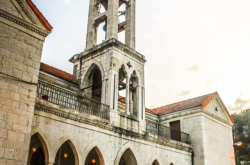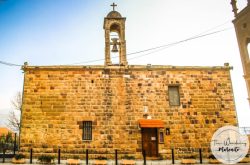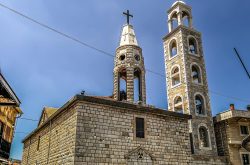

Deir Tahnish – The church of Our Lady of Assumption

Deir Tahnich, Lebanon

Other Details

كنيسة سيّدة الإنتقال

Deir Tahniche

West Bekaa

Bekaa

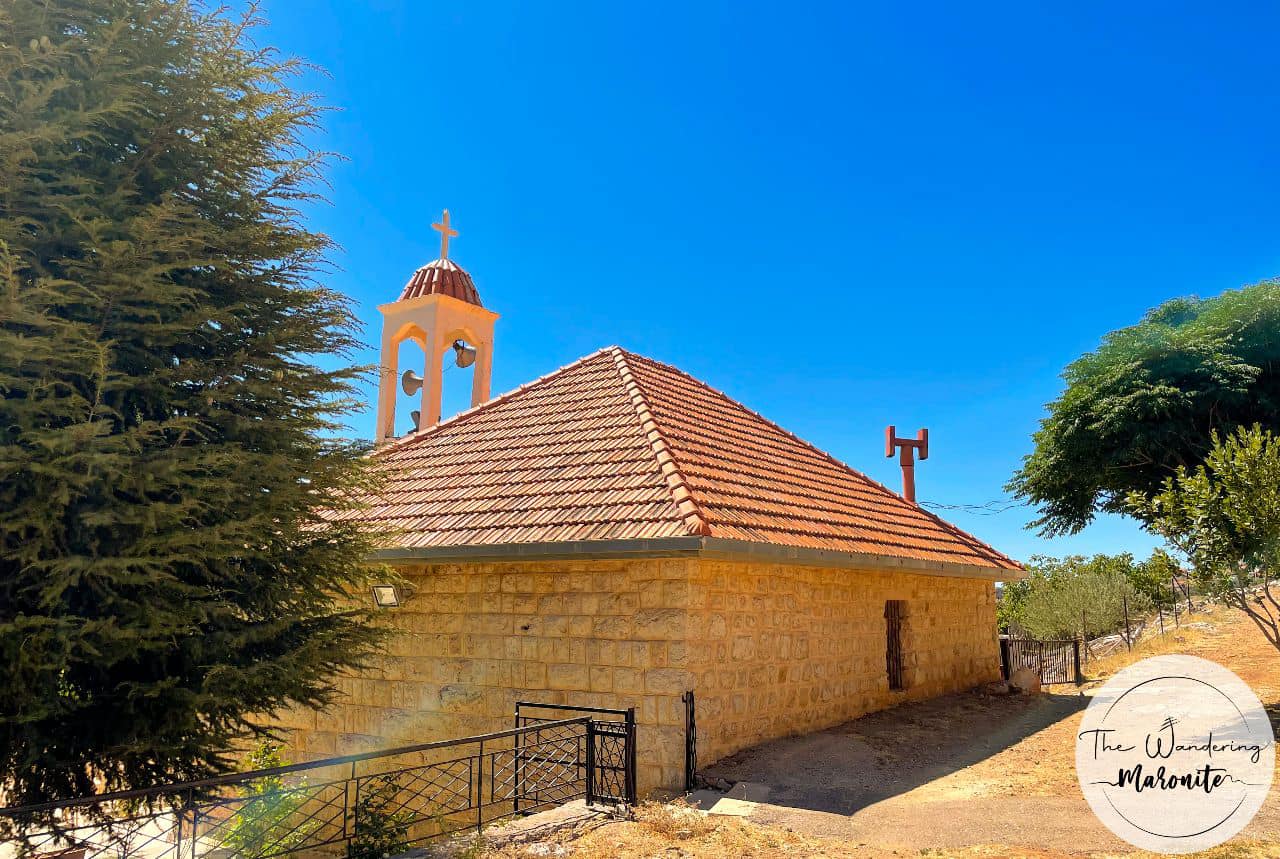
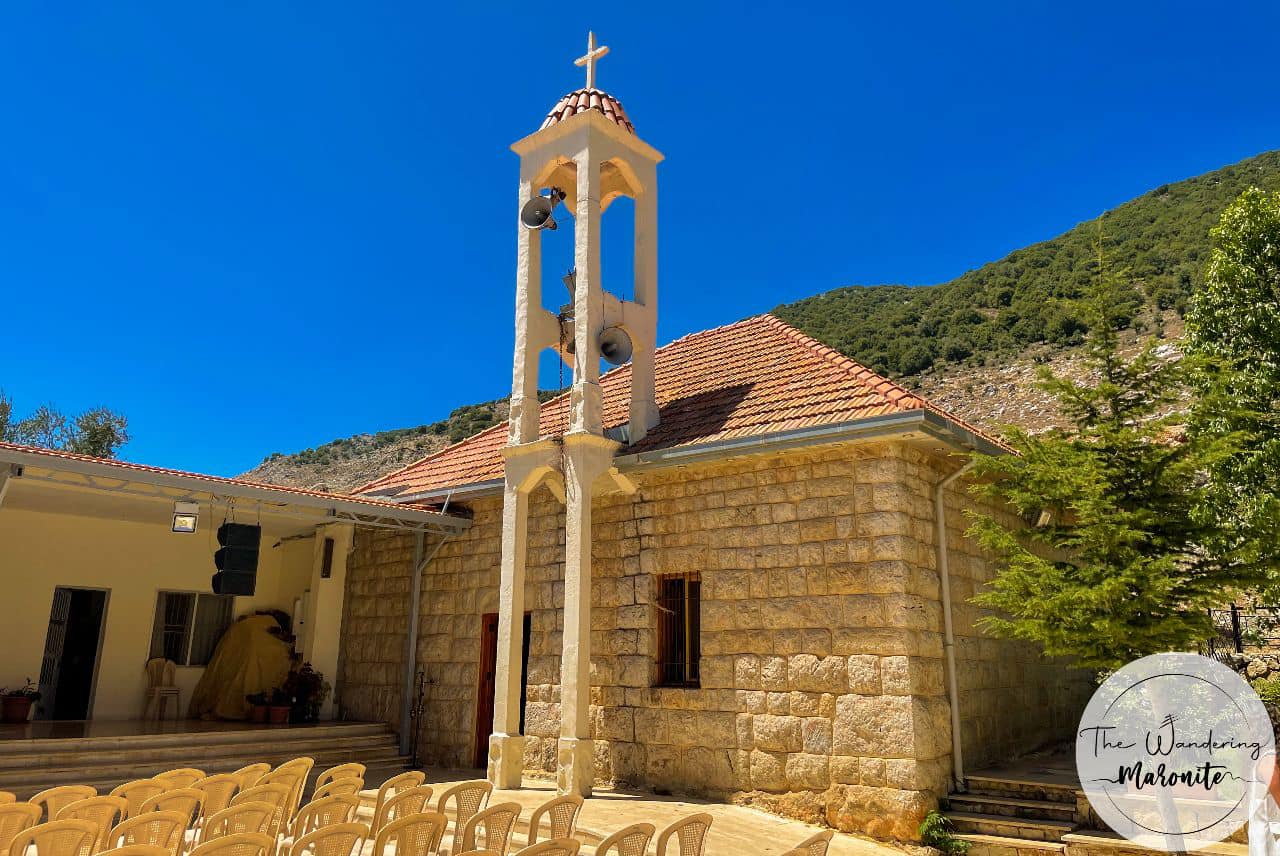
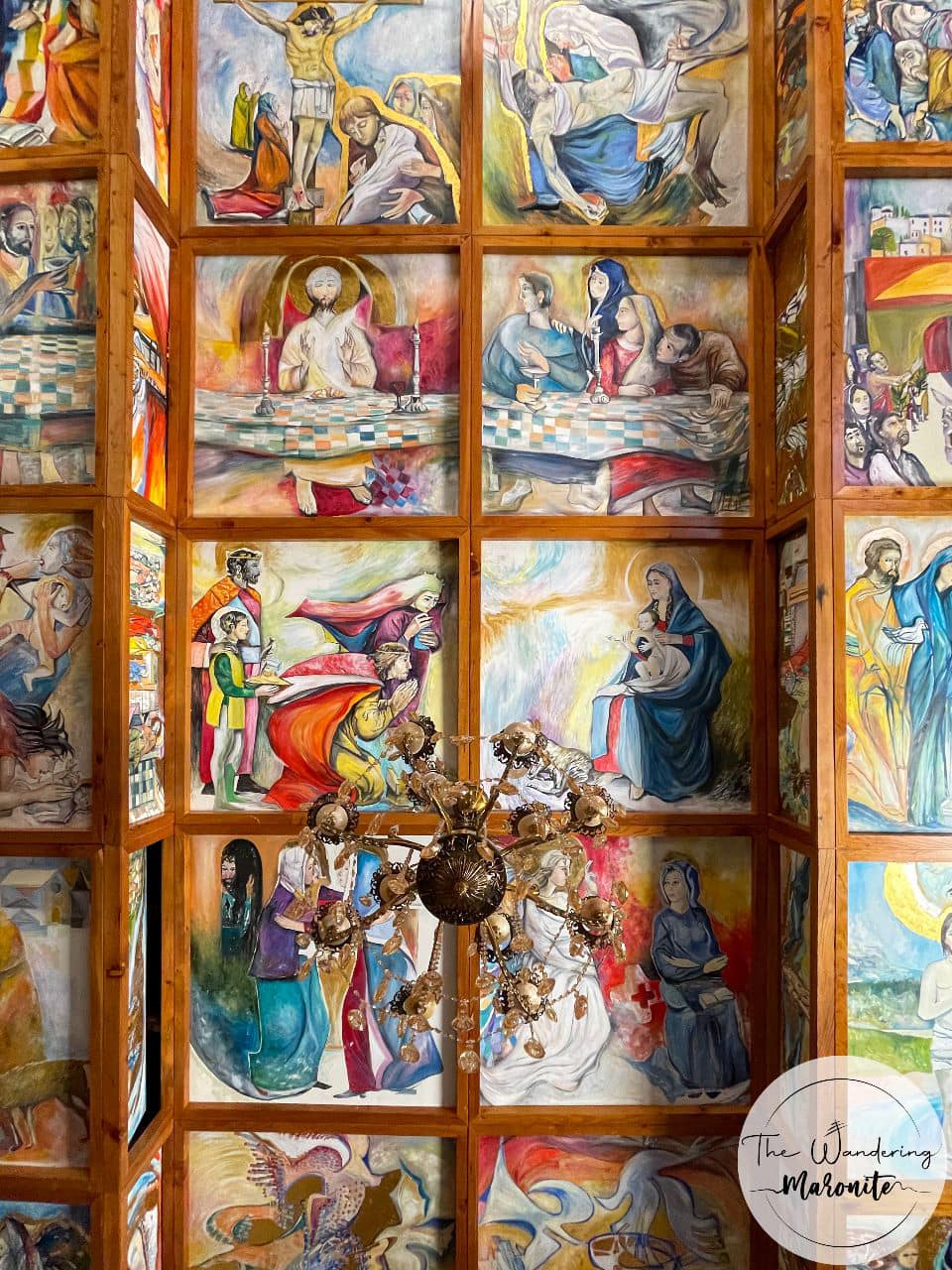
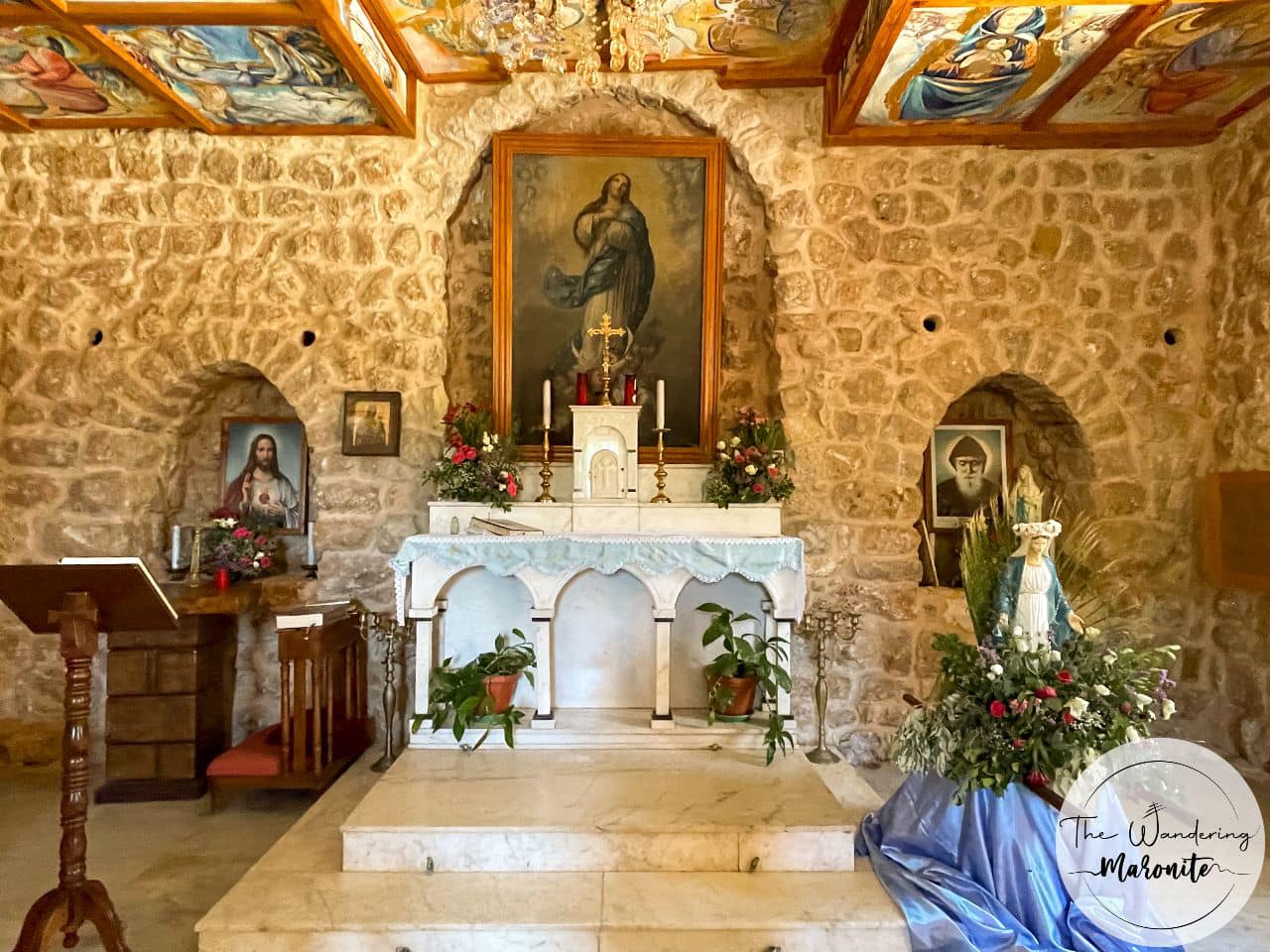
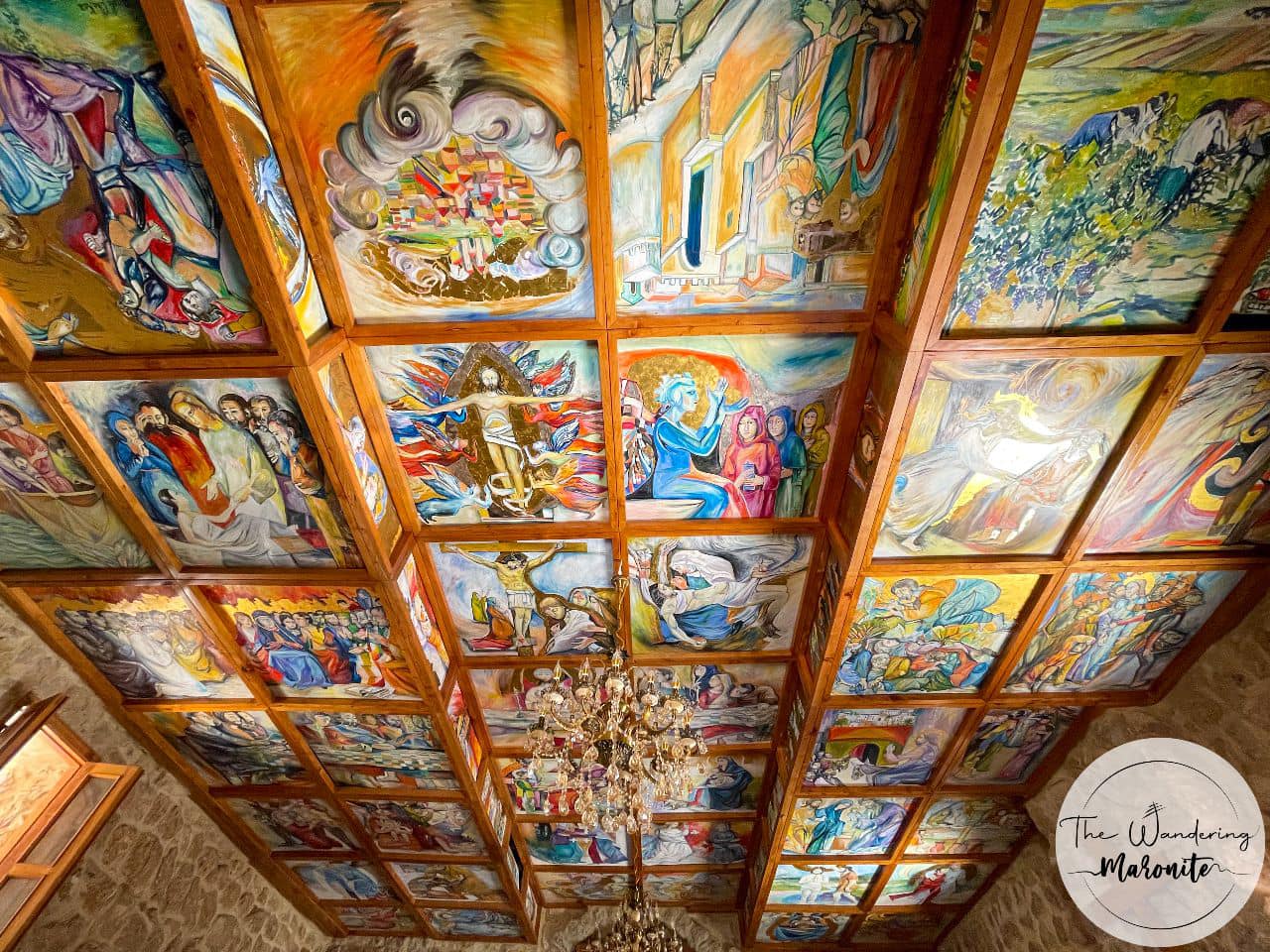
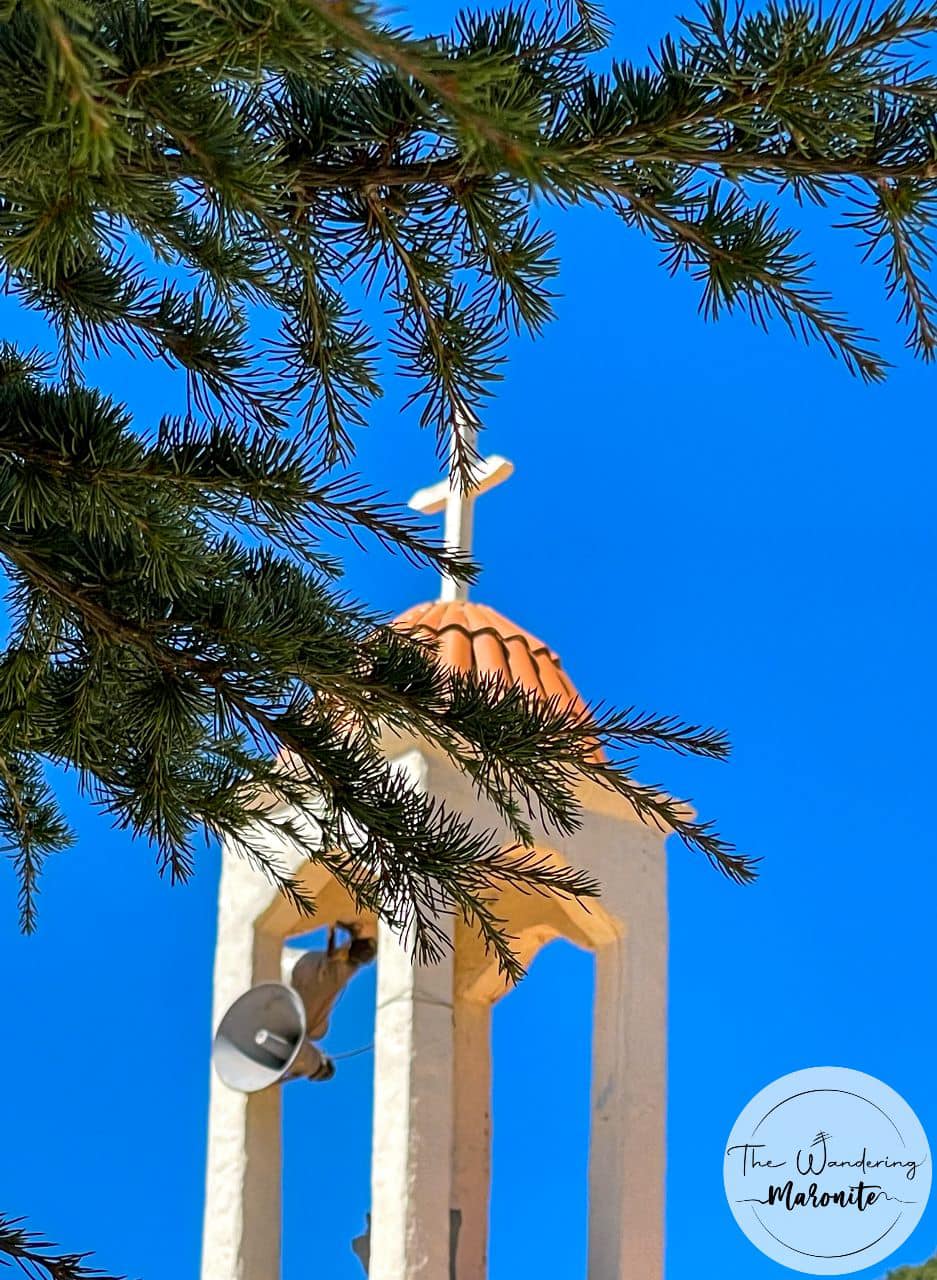
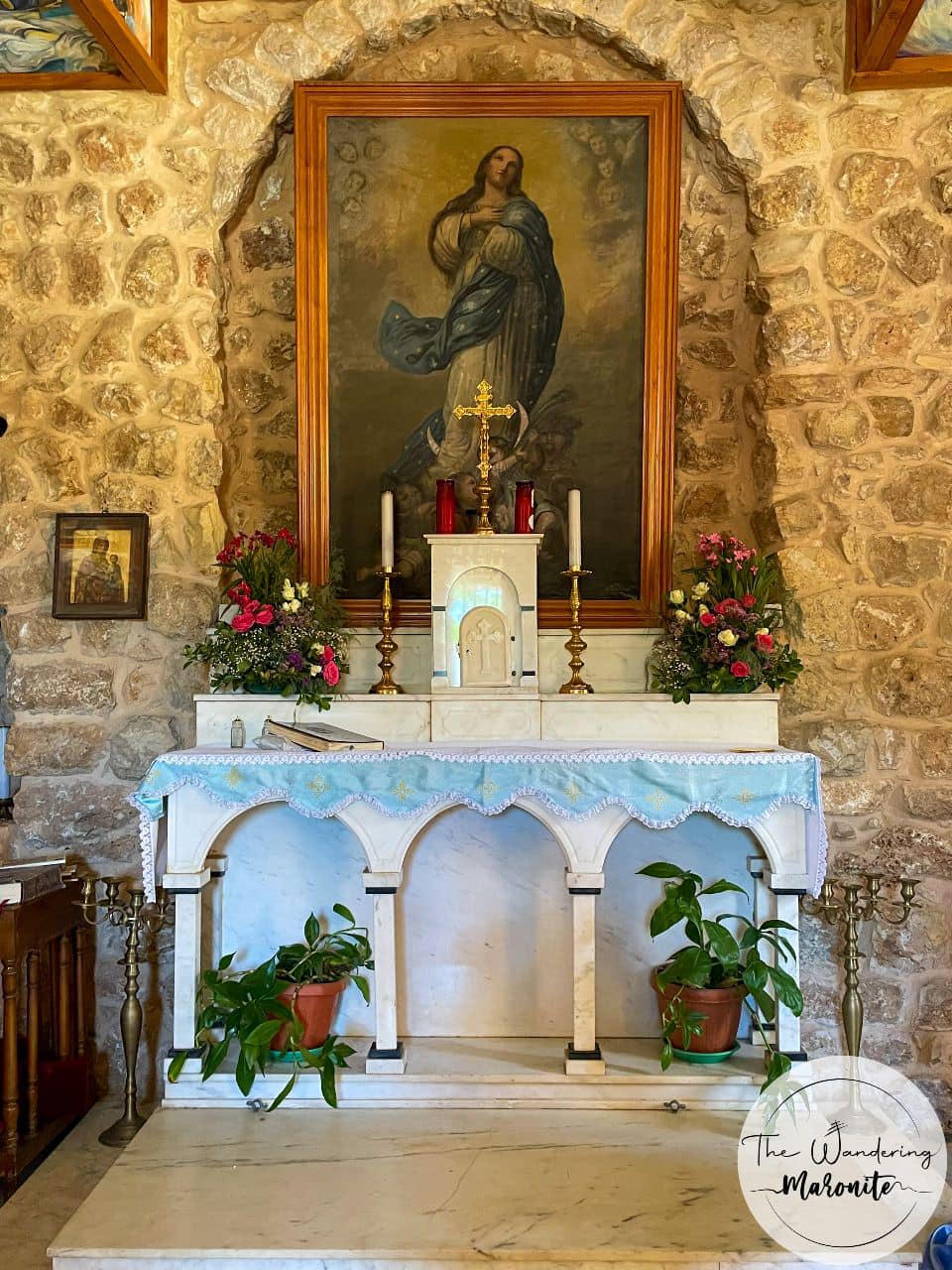
كنيسة سيّدة الإنتقال - دير طحنيش بنى الموارنة الكنيسة مع قدومهم إلى البلدة سنة ١٧٠٥، وهي أقدم كنيسة مارونيّة في البقاع الغربيّ. الكنيسة صغيرة كناية عن سوقٍ واحد مسقوفة. سقف الكنيسة بغداديّ. تحوي الكنيسة على لوحةٍ للسيّدة منقولة عن موريللو تعود لأربعينات القرن العشرين. مع بداية القرن الحاليّ رُمّمت الكنيسة ورُسم على السقف لوحات تجريديّة. The church of Our Lady of Assumption - Deir Tahnish The maronites built the church in 1705 when they came to the village. It is the oldest maronite church in the West Bekaa region. The structure consists of a small single roofed nave. The church holds a painting copied from Murillo’s Immaculate conception dating back to the forties. The church was renovated in the last decade and the roof was decorated with abstract frescoes.

Visited 7241 times, 2 Visits today

Reviews are disabled, but trackbacks and pingbacks are open.

Related Listings

Bkerke – The chapel of Our Lady of Bchouche

Notre Dame Bchouchi Church, Ghadir, Lebanon

كنيسة سيّدة البشوشة

Harissa

Keserwan

Mount Lebanon

كنيسة سيّدة البشوشة - بكركي

هي كنيسة الموقع الأوّل لدير بكركي قبل بناء الصرح الحاليّ. بناها الشيخ خطّار الخازن سنة ١٧٠٣ مع الدّير، وسكنه الرّهبان الأنطونيّون سنة ١٧٣٠. سلّم البطريرك يعقوب عوّاد الكنيسة والدّير والأملاك الى رهبان مار اشعيا برضى المشايخ الخوازنة ولا سيَّما الشيخ خطار، لكن بعد وفاة الشيخ خطّار، وقع الخلاف بين ولَدَيه، وبين الأنطونيَّين، فطردوا منه، وباعوا الدّير الى المطران جرمانوس صقر لقاء ٣٥٠٠ غرش، وذلك سنة ١٧٥٠، وأكملوا بهذا المبلغ دير مار يوحنا المعمدان - عجلتون. أمّا المطران صقر فجعل الدّير مقرًّا لأخويّة قلب يسوع التي أسّستها الراهبة هنديّة عجيمي، التي بدورها نقلت الدّير الى موقعه الحاليّ. ولم يبقَ من الدّير القديم سوى كنيسة سيّدة البشوشة، نسبةً الى ايقونة العذراء المتبسمة.

The chapel of Our Lady of Bchouche - Bkerke

The chapel was the church of the first monastery of Bkerke. It was built by Cheikh Khattar el Khazen in 1703, and the Antonine Maronite Order took the monastery as a residence in 1730. The monastery was eventually given to the order with a decree made by Patriarch Jacob Awad and the Sheikhs of the Khazen family. Nevertheless after the death of Sheikh Khattar there was a dispute between his sons and the Antonines, and the laters were forced to leave and sell the monastery to Bishop Germanos Saker in 1750 for 3500 Ottoman piasters, money that they used to accomplish St John’s monastery in Ajaltoun. Bishop Saker made Bkerke’s monastery a motherhouse for the new congregation of The Sacred Heard founded by Hindyeh Ojeimy. The congregation left the old monastery and built the current one nearby. Of the old monastery only the church persists. It is named Bshoushe meaning the Smiling Virgin.

Beit el Din – The episcopal seat of our Lady of Deliverance

Saydet Al Khalas, Beit ed-Dine, Lebanon

كرسيّ سيّدة الخلاص

Beit Ed-Dine

Chouf

Mount Lebanon

كرسيّ سيّدة الخلاص - بيت الدّين

بنى الأمير بشير الثاني قصرًا عائليًّا خاصًّا سنة ١٨٢٨ على رابيةٍ فوق بيت الدّين. سنة ١٨٦١ أهدى الإمبراطور نابوليون الثالث رتاجًا كبيرًا لمدخل القصر. سنة ١٨٦٣ إشترى المطران بطرس البستاني القصر من الأميرة حسن جهان وحوّله إلى كرسيّ أسقفيّ لأبرشيّة صيدا، على اسم مار شليطا الذي له كنيسة صغيرة داخل المبنى. سنة ١٩٢٧ بنى المطران أغوسطينوس البستاني كنيسة سيّدة الخلاص بنمط عصر النهضة بما تضمّ من زجاجيّات ومذابح ولوحات. تعرّض البناء للضرر خلال الحرب العالميّة الثانية وحرب الجبل. رمّم وشهد مصالحة الجبل سنة ٢٠٠٠ مع البطريرك نصرالله صفير الذي أخذ من الكرسيّ مقرًّا له.

The episcopal seat of our Lady of Deliverance - Beit el Din

In 1828 Prince Bachir II Chehab built a private palace on the outskirts of Beit el Din. Empror Napoleon III gave the palace a grand entry gate. In 1863 princess Hesn Jihan sold the palace to Archbishop Boutros el Boustany who made it the episcopal seat of the eparchy of Sidon, dedicated to St Chalita (Artemius) who had a small chapel inside the building. In 1927 Archbishop Augustin el Boustany built the church of Our Lady of Deliverance in a renaissance style. The building was damaged in World War II and the Lebanese civil war. The structure was restored and saw the pact of reconciliation in the year 2000 with Patriarch Nasrallah Sfeir.